Behind the Line, Not on It: A Parent’s Guide to Junior Club Nights

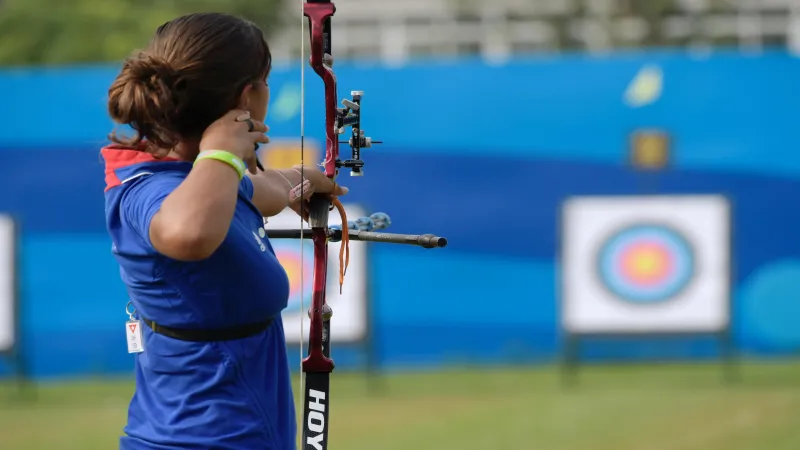
Photo by Photo by Phil Hearing on Unsplash on Unsplash
Junior club nights occupy a peculiar place in the archery week. They are part social occasion, part technical rehearsal, and part preparation for competition. For parents, they can also be a test of restraint. The instinct to help is natural, but the most useful help is rarely technical. A parent who can manage the journey, the mood and the boundaries around kit gives a young archer a stable platform from which to learn. A parent who coaches from the side of a cold UK hall can unintentionally take ownership of the shot away from the archer.
Agree the division of labour before the first end
The club coach owns the technical instruction. That includes form, sight settings, bow setup and the sequence of practice. The parent owns logistics and emotional support: arriving on time, having the right layers for an indoor hall, ensuring there is water and a snack, and being a calm presence at the end. This division should be explicit, especially with younger juniors. A simple sentence is enough: 'I am here to get you there and back; your coach is the person to ask about your shot.' If a parent has a technical concern, the correct route is a private word with the coach, not a mid-session correction. The archer should hear one technical voice, not two competing ones.
After a poor end, lower the temperature
The car journey home is not a review session unless the archer asks for one. Questions such as 'What happened on that last end?' or 'Why did you drop those arrows?' tend to produce defensiveness or silence. A better approach is to describe the evening without judging it and then hand the choice back. 'That looked like a long session. Do you want to talk about it now, or after we have eaten?' If the archer asks for an opinion, defer to the coach: 'I did not watch closely enough to say. What did your coach say?' Praise what is within the archer's control — concentration, routine, patience — rather than the score. Avoid false reassurance. 'That was frustrating' is more useful than 'It was fine' when it clearly was not.
Kit envy and the equipment conversation
Junior club nights often bring new bows, new sights and new arrows into view. Kit envy is normal, but it should not become a purchasing reflex. Equipment is a tool, not a reward for a good score or a remedy for a bad one. When a junior asks for an upgrade, the first question is not 'How much?' but 'What problem would that solve?' That question should be answered with the coach. A useful household script is: 'We do not buy kit to fix a bad evening. If it still matters in a month, we will ask your coach what would actually help.' This protects both the budget and the archer's understanding of cause and effect. It also prevents the catalogue from becoming the coach.
Nerves, selection and the journey home
Competition nerves are not a malfunction. They are a normal response to something that matters. Telling a junior archer not to be nervous rarely helps. A more useful pre-competition line is: 'Your job is the next shot; my job is the journey home.' This keeps the parent's role small and the archer's focus narrow. After a competition, resist the urge to analyse scores in the car. Food, rest and a period of silence are often more valuable than feedback. If the archer wants to debrief, let them lead. If they do not, do not force the conversation. Selection for county or regional squads can heighten this dynamic, but the principle remains the same: the archer's performance is not a family verdict.
A short debrief that keeps the archer in charge
When a debrief does happen, keep it short and question-led. Ten minutes is usually enough. Three questions work well: 'What worked tonight?' 'What do you want to keep?' 'What do you want to ask your coach?' The parent's role is to listen, not to solve. If the archer asks for an observation, give one specific, behavioural comment and then stop. Avoid turning the debrief into a lecture. The aim is for the archer to leave with a next step they own, not a list of corrections they have been given. A brief note on the phone is acceptable if the archer wants a record; a full technical report is not.
Working with the club coach
Coaches welcome context, but they do not need a running commentary. Share information that changes the session: an injury, a difficult week at school, a growth spurt, a change in available practice time. Do not send score updates after every end. Ask the coach how they prefer to communicate and respect that channel. If a parent is also an archer, resist the temptation to compare. The junior's progress is not a reflection of the parent's own shooting. The parent's credibility with the coach is built by being reliable and discreet, not by offering unsolicited analysis.
When to step in
There are times when a parent must intervene: safety concerns, safeguarding issues, bullying or a welfare problem. Those are not coaching matters. In the ordinary run of club nights, however, the parent's best contribution is to stay behind the line. Cheer if the archer wants cheering. Stay quiet if they do not. The measure of a good club night is not the score on the target but whether the archer leaves wanting to come back and work on their own game.