Beyond the Club Line: When Group Coaching Stops Serving Your Archery Goals
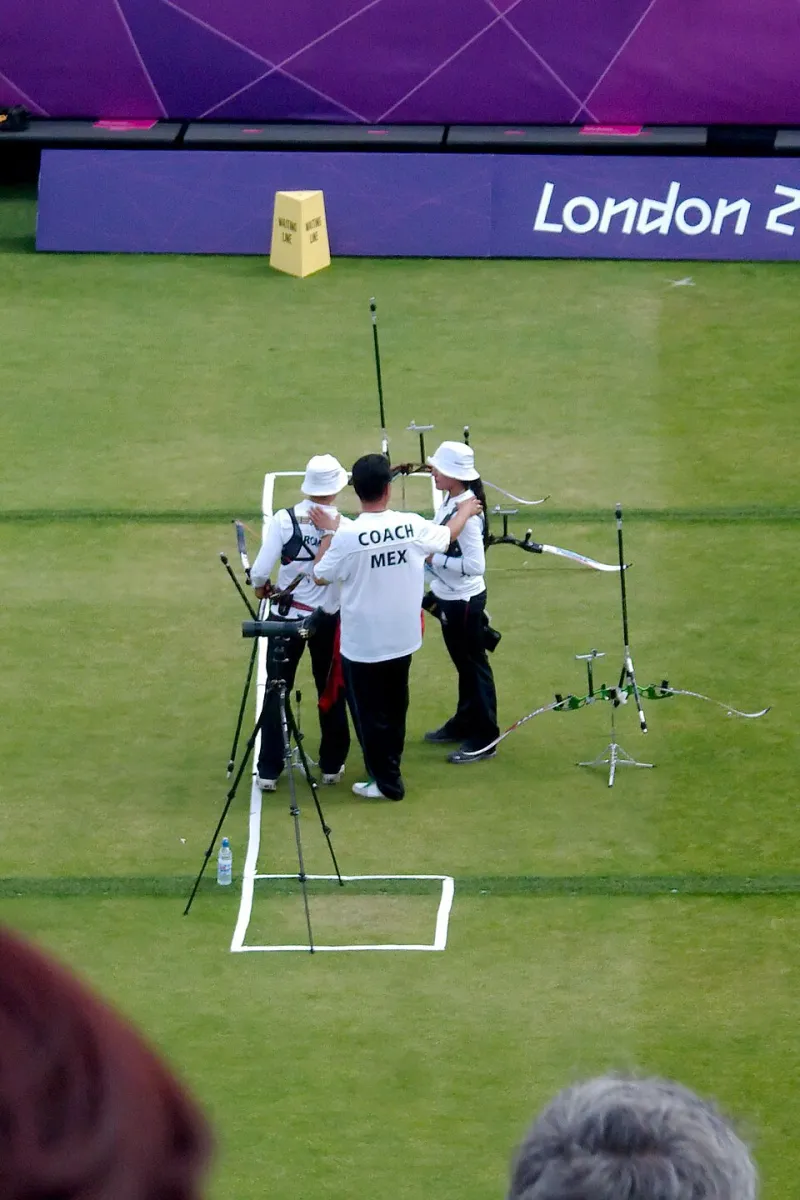
Photo: Andy Rogers from Near Ipswich, England, CC BY-SA 2.0, via Wikimedia Commons
There is a point in many archers' development when the club night stops being the most useful hour of the week. That is not a criticism of club coaches. It is a recognition that general coaching and performance coaching do different jobs, and that the archer who wants to progress beyond a certain level may need a different kind of support.
The distinction matters because UK archery has a strong club culture, and rightly so. Clubs are where archers learn safety, etiquette and the basics of the shot. They are where many people first experience competition. But a club coach is often working with a mixed group, limited time and a wide range of abilities. Performance coaching is more targeted, more individual and more demanding of the archer as well as the coach.
Two different jobs
A club coach is usually responsible for introducing technique, maintaining a safe range and helping archers enjoy the sport. That may include group warm-ups, basic form correction, advice on equipment and preparation for local competitions. The best club coaches are skilled at spotting common faults and creating a welcoming environment.
A performance coach is engaged in a narrower task: improving an individual archer's competitive performance over time. That work is likely to include video analysis, a periodised training plan and structured competition debriefs. It is not simply more of the same club session with a bigger target face.
The confusion arises because both roles involve a coach standing behind an archer and offering advice. The difference lies in the depth of the diagnosis, the continuity of the plan and the level of accountability on both sides.
What a performance coach actually does
Video analysis is a common feature, but it should not be reduced to a slow-motion clip and a vague comment about the release. A good performance coach uses footage to test a hypothesis: is the archer losing posture at full draw, is the bow hand moving before the arrow leaves, is the string hand travelling differently under pressure? The footage is then linked to drills and reviewed over time.
Periodised training is another marker. Rather than shooting the same round every week, the archer may work through phases that emphasise technique, strength, volume or competition preparation. The plan should be written down and adjusted as the season develops. In the UK, that means accounting for the indoor season, the outdoor season and the practical limits of weather and daylight.
Competition debriefs are equally important. A performance coach will want to know what happened before, during and after a tournament: how the archer warmed up, how they managed nerves, what the wind did and which decisions they made under pressure. The debrief should produce actions, not just reassurance.
Signs you have outgrown group sessions
There is no single threshold, but several signs are worth noting. You may be ready for a different kind of coaching if:
- Your scores have plateaued despite regular practice and you cannot identify why.
- You receive the same general advice each week but need a more individual diagnosis.
- You are preparing for county, regional or national competitions and need a structured plan rather than occasional tips.
- You want to understand your shot on video and track changes over months, not just within a single session.
- You are willing to practise deliberately between sessions and want a coach who will hold you to that work.
The last point is crucial. Performance coaching is a partnership. A coach can design a plan, but the archer must do the repetitions, keep records and communicate honestly about what is working.
Assessing the investment
Performance coaching costs money, and UK archers should be clear-eyed about that. Fees vary, travel can add up and video analysis or range time may be charged separately. Before committing, ask what is included, how often reviews will take place and what the coach expects between sessions.
It is also reasonable to ask about qualifications, insurance and safeguarding arrangements. In the UK, coaching credentials and club or governing-body recognition are useful indicators, but they are not the whole picture. Ask how the coach works with archers at your level and whether they have experience of the competitions you are targeting.
A trial session or a short block of sessions is often sensible. One session can reveal whether the coach's communication style suits you, but it takes longer to judge whether the plan is producing change.
Making the switch without burning bridges
Leaving group coaching does not require a dramatic exit. Many archers combine club sessions with occasional performance coaching. The club remains a place for social contact, range time and local competition, while the performance coach provides the individual plan.
Be honest with your club coach. Explain that you are looking for more individual support and that you value what the club has given you. A good coach will understand. The goal is not to replace the club but to add the right support at the right time.
For some archers, the club coach will remain the best option for years. For others, the move to performance coaching is the difference between practising regularly and practising with direction. The important thing is to recognise which stage you are at, and to choose the coaching relationship that serves it.