Wet-Weather Gains: Building a More Reliable Archery Shot Through the UK Winter
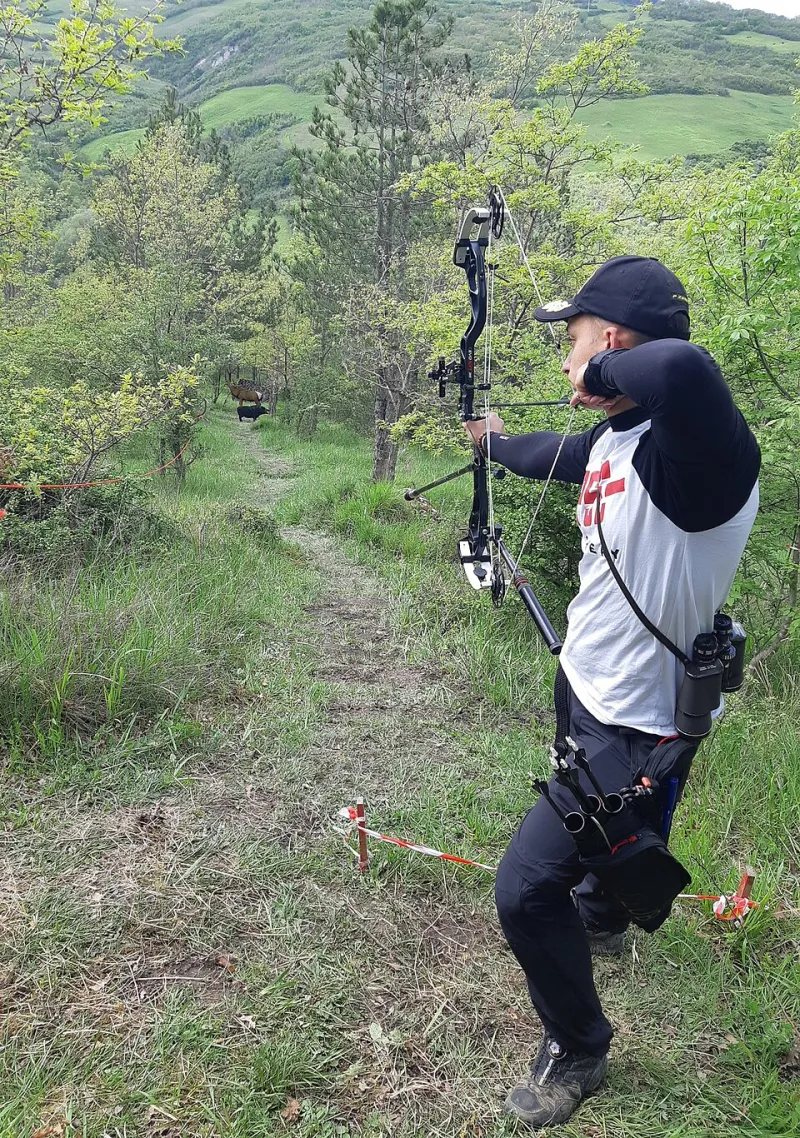
Photo: TizVan, CC0, via Wikimedia Commons
Wet weather has a way of exposing the parts of an archery shot that fair-weather practice allows us to hide. When the UK forecast turns persistently grey, many archers treat the outdoor season as paused and retreat to occasional club nights. That is understandable, but it is also a missed opportunity. The archer who uses the wet months deliberately can enter the 2026 outdoor season with a more repeatable process, better equipment discipline and a calmer response to awkward conditions.
The aim is not to pretend that heavy rain is ideal. It is to build a training plan that keeps the shot sharp when the range is soggy, the wind is gusting and the light is fading by mid-afternoon.
Reframe the wet season as a technical block
Outdoor scoring rounds are useful, but they reward the wrong things in poor weather. An archer chasing a score in gusty rain may start to force the shot, shorten the follow-through or rush the release to get out of the cold. A wet-weather block should instead have technical priorities. Choose two or three process goals for the winter: for example, a consistent bow-hand pressure point, a cleaner expansion through the clicker, or a more stable head position at full draw.
Write those priorities down. Review them after each session. The question is not whether the group shot well in the rain, but whether the chosen part of the process became more repeatable.
Build an indoor training week with a purpose
Indoor halls are valuable, but they can become repetitive. A purposeful indoor week mixes volume, feedback and recovery rather than simply shooting a Portsmouth round three times.
A useful pattern might include:
- One blank-boss session focused on the shot cycle, with no target face and no score. Use a formaster or stretch band for warm-up and co-ordination work.
- One short video session. Film from the side and from behind at full draw, then compare the footage with a checklist agreed with your coach. Keep the clip short and review only one or two points.
- One strength and mobility session, particularly for the shoulders, upper back and legs. Archery is not a heavy-load sport, but a stable platform in wind begins with controlled posture.
- One indoor scored round, used sparingly, to check that the technical work is transferring under mild pressure.
Indoor distances are shorter, so avoid drawing conclusions about outdoor trajectory. The indoor hall is best used for process, posture and rhythm.
Covered-range sessions: rehearse the outdoor shot
A covered range or a club shelter is one of the most useful winter assets in the UK. It allows an archer to shoot outdoors while keeping the bow and archer relatively dry. The mistake is to treat a covered range as simply an indoor hall with a longer view. Use it to rehearse the outdoor shot.
Set up at a distance that reflects your outdoor discipline, but keep expectations realistic. In wind, aim to shoot process-focused ends rather than score-focused ones. Pay attention to stance width, the amount of bow cant you will tolerate and the timing of the release in a gust. If the range allows, practise shooting from a slightly awkward footing, such as a wet grass line or a muddy mat, because outdoor tournaments rarely offer perfect platforms.
Damp-weather shot-process adjustments
Rain changes the shot in small ways. A wet bow hand can become a slippery bow hand. A damp glove can alter the feel of the grip. String and cables may pick up moisture, and fletchings can become soft. Rather than fighting these changes, build a short pre-shot routine that acknowledges them.
Check the bow hand before each end. Dry the grip if necessary. Confirm that the string wax and serving are in good order. Make sure the arrow nocks fit consistently; a damp nock can feel different under pressure. Keep a towel in the quiver or on the bow stand and use it deliberately, not as an afterthought.
The shot process itself should become simpler in poor conditions. Reduce the number of internal instructions. Focus on a stable bow arm, a smooth expansion and a follow-through that stays in place until the arrow lands. Wind and rain make the body want to hurry; the archer who can slow the process without becoming tentative will often fare better than the one who tries to overpower the conditions.
Equipment and range discipline
UK winters are hard on equipment. Keep arrows dry where possible, inspect fletchings and nocks regularly, and store the bow in a dry place after shooting. A waterproof quiver cover, a small towel and a dry bag for gloves are inexpensive additions that make wet sessions more productive.
Range discipline matters too. Wet ground can become slippery, and light fades quickly. Check that your club's range rules still apply in poor visibility, and never compromise safety for an extra end. If the wind is strong enough to make the target boss unstable or to affect arrow flight unpredictably, move to an indoor or covered option.
Measure progress when conditions are poor
In wet weather, scoring can be misleading. Use process measures instead: the number of ends in which your chosen technical cue was present, the consistency of your bow-hand pressure, or the percentage of shots in which you held your follow-through. A simple notebook or phone note is enough. Over several weeks, these observations reveal whether the winter block is working.
A sample wet-weather week
A balanced week might combine a Monday blank-boss session, a Wednesday covered-range session with process goals, a Friday strength and mobility session, and a Sunday indoor round or a short outdoor session if conditions allow. The exact pattern matters less than the intention behind each session.
Bad weather is not a training write-off. For UK archers, it is a controlled test of adaptability. The archer who learns to keep the shot process intact in rain, wind and poor light will often find that the first bright outdoor weekend of spring feels less like a restart and more like a continuation.