Closing the Loop: A Thirty-Minute Review to Carry Forward from Competition Day

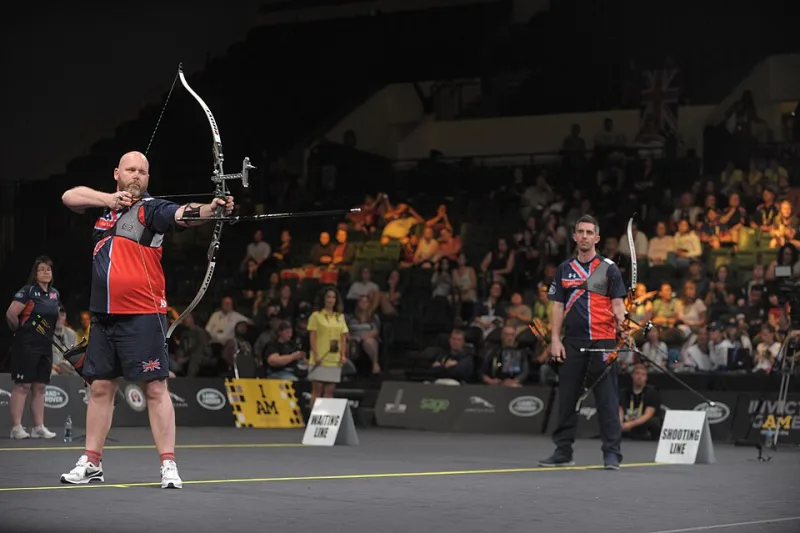
Photo: archer reviewing scorecard and bow at outdoor competition, via static1.cbrimages.com
Most archers leave a competition with two things: a score and a feeling. The score is precise but narrow, and the feeling is vivid but unreliable. By the time the kit is dry and the scorecard is filed, the detail that actually shaped the day, such as the gust that arrived mid-end, the sight change made in haste, or the routine that slipped on the last three arrows, has already begun to blur. A short, disciplined review closes that gap. It is not a post-mortem in the punitive sense. It is a handover from competition day to the next training block.
Why memory is a poor coach
Recency bias favours the last end. Outcome bias favours the score. Neither tells you why the group drifted high on the fourth end or why the release felt cleaner after the interval. A scorecard gives sequence, but not cause. A phone note taken while the venue is still in view gives context that will otherwise be reconstructed, often incorrectly, later in the week. The aim is to capture evidence while it is fresh, then convert it into one or two testable intentions for practice.
Three fixed questions
The review is built around three questions. They are deliberately narrow, because a broad journal entry tends to produce description rather than analysis.
1. What did the conditions ask of me, and how did I answer?
Record the obvious factors: wind direction and strength, light, rain, temperature, range layout, timing between ends and any unusual interruptions. Then note the response. Did you adjust the sight, change your stance, shorten your hold, or simply continue? The useful entry is not that it was windy, but that you made a specific adjustment at a specific point and can say whether it helped.
2. Which part of my shot routine held under pressure, and which part drifted?
Keep this concrete. Refer to the stages you normally use, such as set-up, draw, anchor, transfer, expansion, release and follow-through. Identify one element that remained stable and one that changed. For example, the anchor may have held while the transfer became quicker after a poor end. This is the material a coach can work with, because it points to a repeatable process rather than a general complaint about nerves.
3. Which decision gained or cost me the most, and what rule will I use next time?
Decisions include sight changes, arrow selection, warm-up length, food and hydration, timing on the line and whether to make a technical change mid-shoot. Choose one decision and state a simple rule for the next competition. The rule should be small enough to follow: no sight change until two consecutive ends show the same shift, for example, or a fixed warm-up sequence regardless of how the first end feels.
The thirty-minute shape
Set a timer and keep to it. The review should feel brisk, not exhaustive.
- Minutes 0 to 5: lay out the scorecard, note the event, format and conditions, and write down the end-by-end scores without commentary.
- Minutes 5 to 15: answer the first two questions, citing specific ends or arrows where possible.
- Minutes 15 to 25: answer the third question and write one practice intention for the next session.
- Minutes 25 to 30: write one line to share with your coach and one line describing the kit or equipment observation that needs follow-up, if any.
A phone note is sufficient, provided it is structured. The value lies in the fixed questions, not in the length of the entry.
A printable one-page template
The following fields fit on a single side of A4 and can be printed for use at the venue or completed on a phone.
- Event, date, venue and format
- Conditions: wind, light, temperature, range and timing
- End-by-end scores and any obvious group trend
- Question 1 notes: conditions and responses
- Question 2 notes: routine held and routine drifted
- Question 3 notes: decision and rule for next time
- One practice focus for the next session
- One question or observation for the coach
- Equipment note: sight marks, arrow outliers, maintenance issues
Keep each field to a few words or a single sentence. A template that takes longer to complete than the review itself will not survive a busy competition calendar.
What to record beyond the score
End-by-end scores are useful because they show pattern, but they are not the whole record. Note where the group sat in relation to the centre, whether the sight moved, and whether any arrow behaved outside the group. Record the timing between ends and how you used the interval. If energy or focus changed noticeably, note when. These details help distinguish a technical issue from a fatigue issue or a logistics issue, which is especially relevant at UK outdoor events where weather and travel can influence the day as much as technique.
When to share the findings with a coach
A single review is a snapshot. Share it with a coach when a pattern appears across two or three competitions, when you are considering a technical or equipment change, or when the same decision keeps producing the same problem. Bring the completed template rather than a long narrative. It gives the coach a compact brief and a starting point for testing one hypothesis in the next session. If the review raises a safety or equipment concern, raise it promptly rather than waiting for the next scheduled lesson.
Common traps
Avoid turning the review into a story that explains the score after the fact. Avoid blaming conditions without recording a response. Avoid changing three things at once in the next practice, because then the evidence is lost again. And do not skip the review after a good shoot. A good result contains useful process information too, particularly about what you did when the routine held.
The point of the exercise
The thirty-minute review is a small administrative habit with a coaching function. It converts a competition from a result into a set of observations, and it gives the next practice session a clear purpose. The score remains on the card. The evidence goes forward.