The Extra End: Rehearsing the Tie-Break Before the Scoreboard Demands It
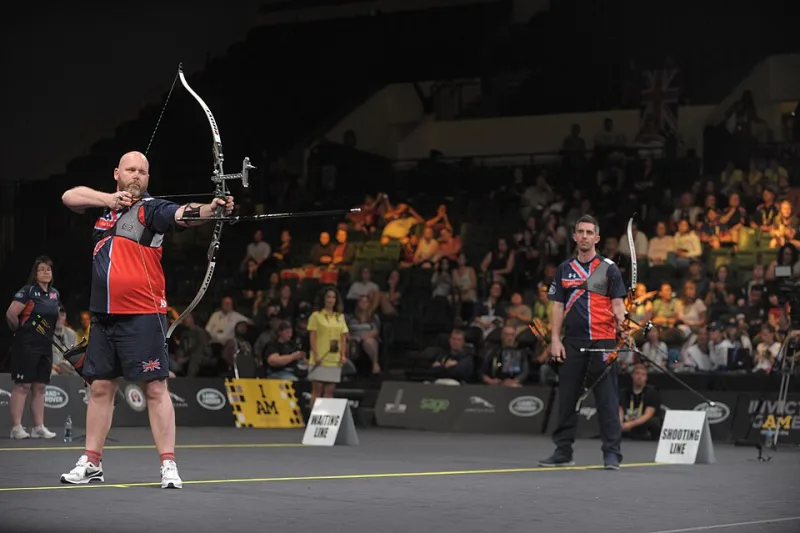
Photo: Staff Sgt. Alex Manne, Public domain, via Wikimedia Commons
A shoot-off is not a separate sport. It is the same shot, delivered under a different kind of attention. The target distance may be unchanged, the equipment is the same and the technique has already been rehearsed across the indoor season. What changes is the consequence attached to a small number of arrows. That shift is enough to disturb breathing, timing and decision-making if the archer has no routine to fall back on.
The practical response is not to treat the tie-break as an emergency. It is to make it familiar. A call-back routine should be built during ordinary practice and club nights, then carried into competition long before the scoreboard creates the condition. For the 2026 indoor season, that means adding a small but deliberate strand to the training plan rather than hoping the moment will look after itself.
Know the Format Before the Line
Shoot-off procedures vary by event, discipline and round. Some are decided by a single arrow closest to the centre; others use an aggregate over a set number of arrows, a sudden-death sequence or a team format with its own order of shooting. Measurement methods and the handling of ties within ties can also differ. The archer who has not checked the specific format is already at a disadvantage, not because the rules are obscure but because uncertainty consumes attention.
Before an indoor competition, read the entry information and the tournament schedule. At the judges' briefing, listen for the shoot-off procedure and ask for clarification if it is not stated. Confirm the number of arrows, the time allowance, whether practice arrows are permitted, who shoots first and how a tied arrow is resolved. This is not pedantry. It is the same preparation an archer applies to the sight mark or the timing of the warm-up. Archery GB and World Archery provide the governing framework, but the event organiser confirms the local application.
A useful habit is to write the format in one or two lines in the competition notebook. The act of writing it down exposes gaps in understanding. It also gives the coach or a fellow archer a chance to correct a mistaken assumption before the line is called.
The Between-Arrows Reset
In a shoot-off, the interval between arrows can feel longer than it is. The scoreboard is visible, the waiting is public and the mind begins to rehearse outcomes. A reset routine gives that interval a purpose. It should be short, physical and repeatable under mild stress.
A simple three-part reset works well indoors. First, exhale and soften the hands and shoulders; this interrupts the tendency to hold tension while watching the target. Second, return attention to the sight picture and the stance, checking only what is necessary rather than rebuilding the whole shot. Third, use a single process cue that has already been used in practice, such as settle, aim, release. The cue should describe an action, not a result. Avoid cues that mention winning, losing or the score.
Equally important is what the archer does not do. There is no need to check the scoreboard between arrows unless the format requires it. There is no need to change the sight after one arrow unless the shot itself provided clear evidence. The shoot-off rewards compression, not addition. The routine should make the next shot smaller and more familiar, not more elaborate.
Practise Being Called Back
Simulation does not need to be theatrical to be useful. The aim is to reproduce the key features of a call-back: a short sequence, a visible consequence and a defined finish. A few drills can be woven into an existing practice session without turning every club night into a competition.
One option is the first-arrow finish. Shoot a normal scored end, then place a single arrow on the target with the instruction that it is the only arrow that counts. Score it, record it and walk away. Repeat after a short interval. The drill teaches the archer to arrive at the decisive arrow without a warm-up end to hide behind.
Another is the sudden-death ladder. With a partner, shoot one arrow each. The closer arrow advances; the other archer drops out or the pair reset. Keep the sequence brief and use the same reset routine between arrows. A third option is to practise the called-back walk: leave the line, wait out of position for a set time, then return and shoot one arrow. This rehearses the transition from waiting to shooting, which is often where routine breaks down.
Record what happens in these drills, but do not turn the record into a scoreboard for self-judgement. Note whether the reset was used, whether the cue stayed the same and whether the shot was completed without rushing. The evidence should inform the routine, not become a verdict on the archer.
Build It into the Indoor Season
A shoot-off routine is best introduced early and revisited lightly. In the first weeks of indoor training, the archer can identify the reset and cue that work under normal conditions. Closer to competition, the drills can be used once every two or three weeks, with a short debrief afterwards. The routine should also be tested in club competition, where the environment is familiar but the score still matters.
Coaches can support this by including a call-back segment in group sessions and by asking the archer to describe the routine before shooting it. The description exposes whether the process is clear enough to survive pressure. Parents and supporters can help by allowing the archer to manage the interval without commentary. The most useful support is quiet consistency, not tactical advice from the spectator line.
When a real shoot-off arrives, the objective is not to guarantee a particular result. It is to make the archer's behaviour recognisable. The same stance, the same exhale, the same cue and the same acceptance of the shot should be present whether the arrow is part of an ordinary end or the final arrow of the day. That is what turns a tie-break from a lottery into a trainable part of the indoor season.
After the event, review the routine rather than only the outcome. Did the reset survive the wait? Did the cue remain process-focused? Was there any unnecessary change made under pressure? These questions are more useful than a post-match judgement on nerve. The extra end is simply another end, provided the archer has rehearsed it before the scoreboard asks.